

When discussing the life of basketball legend Bill Russell, much of the spotlight naturally falls on his extraordinary NBA career, civil rights activism, and cultural impact. Yet behind every iconic public figure stands a deeply personal story shaped by relationships, sacrifices, and shared struggles. One name that often surfaces in connection with Russell’s early life is rose swisher. Though she lived largely outside the glare of fame, her story remains an important part of American sports and social history.
rose swisher was more than simply the first wife of an NBA champion. She was a college student navigating the turbulent racial climate of mid-20th-century America, a mother raising children during an era of social upheaval, and a woman whose private strength helped support one of the most influential athletes of his generation. While historical accounts frequently reduce her to a footnote, a closer look reveals a compelling and human story that deserves recognition.
In this comprehensive article, we explore her early life, marriage, family journey, challenges, and legacy. We will also examine the cultural context of her time, her role during Russell’s rise to fame, and the broader implications of her quiet resilience. By the end, readers will gain a deeper understanding of how rose swisher fits into the larger narrative of sports, race relations, and American society.
Early Life and Background

Quick Bio
| Field | Details |
|---|---|
| Full Name | Rose Swisher |
| Known For | First wife of Bill Russell |
| Date of Birth | Not Publicly Documented |
| Place of Birth | United States |
| Education | University of San Francisco |
| Spouse | Bill Russell (m. 1956 – div. 1973) |
| Children | Three (Two Sons, One Daughter) |
| Marriage Year | 1956 |
| Divorce Year | 1973 |
| Historical Era | NBA Dynasty & Civil Rights Movement |
| Public Presence | Largely Private Life |
| Nationality | American |
Very little mainstream documentation exists about rose swisher’s early childhood, which reflects the broader pattern of limited archival attention given to women connected to public figures in the 1950s and 1960s. What is known is that she met Bill Russell during their college years at the University of San Francisco, an institution that would later gain national recognition for its athletic achievements.
Growing up during a period marked by segregation and social division, she experienced firsthand the racial barriers embedded in American life. The 1940s and 1950s were defined by systemic inequality, and interracial marriage was still illegal in many states before the landmark 1967 Supreme Court decision in Loving v. Virginia. Although rose swisher and Russell were both African American, they still navigated discrimination in housing, employment, and social spaces.
College life offered new opportunities but also presented unique challenges. The University of San Francisco was progressive in some respects, particularly in athletics, yet it still existed within a broader society steeped in racial prejudice. During this period, Russell was emerging as a dominant basketball player, and she was part of that formative environment.
Meeting Bill Russell and College Romance
The relationship between rose swisher and Bill Russell began during their time at the University of San Francisco. Russell was already gaining recognition for his defensive dominance and shot-blocking ability, skills that would later define his NBA career. At the same time, their connection developed away from the court, grounded in shared experiences and mutual understanding.
College romances during that era often evolved quickly, especially among students navigating the pressures of racial tension and financial uncertainty. Their bond grew in a setting where opportunities were limited for African American students, making emotional support especially meaningful. It was not simply a love story unfolding on campus; it was a partnership forged amid societal challenges.
They married in 1956, the same year Russell began his professional career. This timing placed rose swisher at the center of a life that would soon transform dramatically. The transition from college student to NBA wife happened almost overnight, bringing with it public attention, financial shifts, and new expectations.
Marriage During the Rise of an NBA Dynasty
In 1956, Bill Russell joined the Boston Celtics, a franchise that would go on to dominate professional basketball. Under the leadership of coach Red Auerbach, the Celtics built a dynasty that secured 11 NBA championships during Russell’s career. While the trophies and accolades filled headlines, life at home required stability, adaptability, and resilience.
As Russell’s career accelerated, rose swisher managed the demands of family life. The late 1950s and 1960s were transformative years for professional sports, but they were also volatile times in American society. The civil rights movement was gaining momentum, racial tensions were erupting in cities across the country, and public figures faced intense scrutiny.
Being married to one of the most visible Black athletes in America came with immense pressure. The Celtics’ home base in Boston, a city with its own complex racial history, added another layer of difficulty. Russell openly spoke about experiencing racism from fans and neighbors. In this environment, maintaining a stable household required emotional fortitude.
Family Life and Parenthood
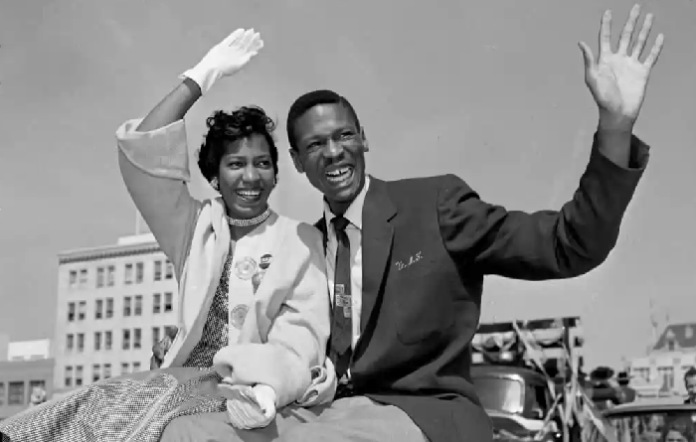
rose swisher and Bill Russell had three children together: two sons and a daughter. Parenthood during the 1960s required balancing ambition with responsibility. While Russell traveled for games and public appearances, she carried much of the daily responsibility at home.
Raising children during the civil rights era meant preparing them for a world that could be both inspiring and hostile. The family navigated public attention while also confronting private challenges. Unlike today’s era of social media and constant exposure, much of their family life remained out of the spotlight. Yet the pressures were very real.
Her role as a mother often goes underappreciated in historical accounts. However, raising children in a high-profile household during times of racial unrest demanded strength and careful judgment. It was not merely about managing schedules; it involved protecting young lives from prejudice and instability.
The Social Climate of the 1950s and 1960s
To understand rose swisher’s life, it is essential to grasp the broader historical backdrop. The 1950s were marked by segregation, economic transformation, and the beginnings of organized civil rights activism. By the 1960s, the movement had reached national prominence, with figures like Martin Luther King Jr. advocating for equality.
Athletes like Bill Russell were not insulated from these events. In fact, many became deeply involved in social activism. Russell himself participated in civil rights initiatives and used his platform to speak out against injustice. Such activism inevitably affected family life.
Public backlash, threats, and criticism were not uncommon for outspoken athletes. While Russell was often in the spotlight, rose swisher faced the emotional toll that came with that visibility. The burden of activism extended beyond speeches and marches; it entered homes and shaped daily routines.
Challenges of Public Life
Being married to a sports icon during the early years of the NBA meant navigating uncharted territory. The league was growing rapidly, television broadcasts were expanding audiences, and players were becoming national celebrities. Yet media coverage at the time often focused solely on male athletes, leaving spouses largely invisible.
The pressures of fame can strain any relationship. Constant travel, media scrutiny, and social obligations create distance and stress. rose swisher lived through these realities during a period when support systems for public families were minimal. There were no public relations teams dedicated to family image management, and privacy was fragile.
Russell’s own experiences with racism in Boston were widely documented. His home was vandalized at one point, an incident that shook the family deeply. Living under such circumstances required immense courage and adaptability.
The End of the Marriage

After years together, rose swisher and Bill Russell divorced in 1973. Their separation marked the end of a chapter that had spanned nearly two decades, including the entirety of Russell’s championship career. While specific details about their divorce remain private, it is widely acknowledged that the demands of fame and activism contributed to marital strain.
Divorce in the early 1970s still carried social stigma, particularly within high-profile families. Yet it also reflected broader cultural shifts. The era was characterized by evolving gender roles, increasing conversations about personal fulfillment, and changing attitudes toward marriage.
Despite the end of their relationship, rose swisher remained connected to the legacy of that formative period in basketball history. Her years alongside Russell were intertwined with one of the most dominant dynasties in sports.
A Snapshot of Key Facts
Below is a concise overview of essential details related to rose swisher and her life:
| Category | Information |
|---|---|
| Full Name | Rose Swisher |
| Known For | First wife of Bill Russell |
| Marriage Year | 1956 |
| Divorce Year | 1973 |
| Children | Three (two sons, one daughter) |
| University | University of San Francisco |
| Historical Context | Civil Rights Era, NBA Dynasty Years |
This table provides a structured snapshot while the surrounding narrative offers deeper context.
Life Beyond the Spotlight
Unlike some spouses of public figures who seek media attention, rose swisher chose a private path after her divorce. She did not pursue celebrity status, public commentary, or memoir writing. This decision reflects a personal preference for privacy and dignity.
Her post-marriage life remains largely undocumented, which speaks to her desire to separate herself from public narratives. In a culture increasingly fascinated by celebrity exposure, her restraint stands out. It suggests a commitment to personal boundaries and self-definition beyond association.
Living outside the spotlight does not diminish historical significance. On the contrary, it reinforces the idea that influence can be subtle and enduring.
Reflections on Partnership and Sacrifice
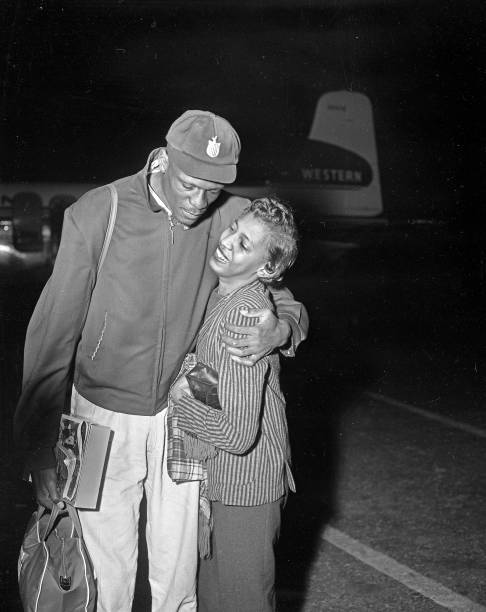
Marriage during an athlete’s rise to fame often requires invisible sacrifices. The public sees championship parades and trophy ceremonies, but rarely witnesses the emotional labor occurring behind closed doors. rose swisher’s life during those years exemplifies this dynamic.
Bill Russell once said, “What matters most is how well you walk through the fire.” That sentiment captures the intensity of his career and activism. It also reflects the environment his family endured. Walking through that fire was not a solitary act.
Partnership involves shared burdens. From managing home life during road trips to supporting activism efforts, her contributions were woven into the fabric of Russell’s journey.
The Broader Role of NBA Wives in the 1960s
During the early decades of the NBA, player salaries were modest compared to today’s multimillion-dollar contracts. Many families lived relatively normal lives despite public recognition. Spouses often handled finances, childcare, and community relationships without the support structures available to modern professional athletes.
The wives of NBA players in that era formed informal networks of support. They understood the demands of the schedule, the stress of injuries, and the emotional highs and lows of competition. rose swisher was part of this early generation of sports spouses who helped lay the groundwork for the professional athlete family culture seen today.
Their contributions rarely made headlines, yet they played an essential role in sustaining careers and building stable homes.
Cultural Legacy and Historical Importance
While rose swisher is primarily known in connection with Bill Russell, her story represents something larger. It illustrates the experience of many women who supported groundbreaking figures during transformative periods in American history.
The civil rights movement reshaped national conversations about equality and justice. Professional sports became an arena for activism and cultural influence. In this context, family members were not passive observers; they were participants in a shared journey.
Understanding her life adds dimension to the narrative of sports history. It reminds readers that legendary achievements are often supported by quiet resilience.
How History Often Overlooks Women in Sports Narratives
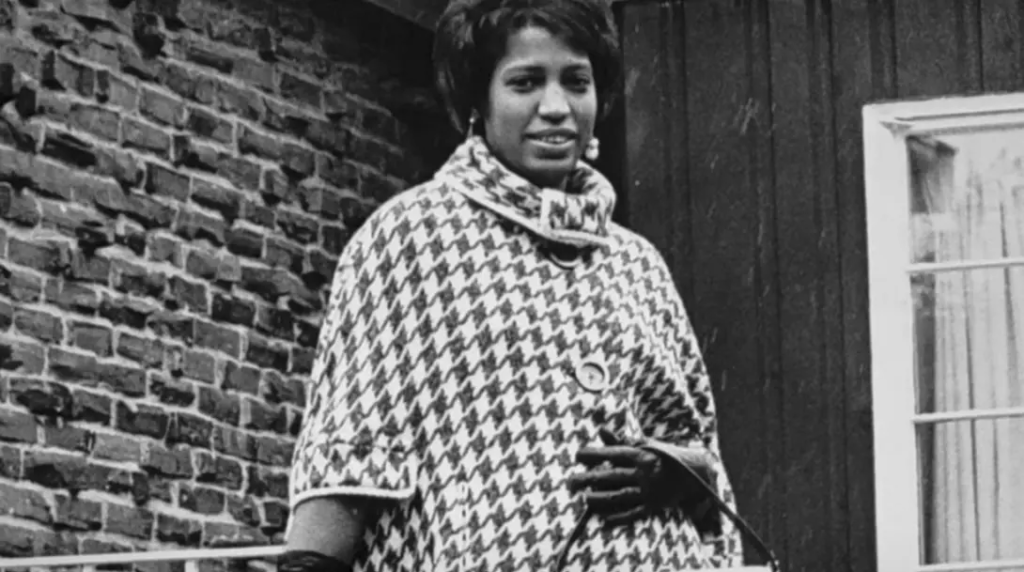
Sports biographies traditionally center on athletic performance, championships, and statistics. Family stories appear briefly, if at all. This pattern reflects broader societal tendencies to prioritize public accomplishments over private contributions.
rose swisher’s limited representation in mainstream histories highlights the need for more inclusive storytelling. Documenting the experiences of spouses and families enriches historical accuracy and humanizes iconic figures.
The narrative of the Boston Celtics dynasty becomes more complete when viewed through a wider lens that includes the domestic realities of its players.
Personal Strength in a Changing America
The mid-20th century was marked by rapid change. Civil rights legislation, shifting gender norms, and evolving media landscapes altered the social fabric of the United States. Living through these transitions required adaptability and courage.
rose swisher’s life intersected with these developments at a deeply personal level. From marriage during a burgeoning sports career to parenting amid activism and public scrutiny, she navigated complex terrain.
Her story is not one of dramatic public speeches or headline-grabbing controversy. Instead, it is one of steady presence and quiet determination.
Lasting Impact and Continued Interest
Interest in historical figures connected to sports legends often resurfaces after major milestones or anniversaries. Following Bill Russell’s passing in 2022, renewed attention emerged regarding his personal life and relationships. This included revisiting the role of rose swisher during his early years.
Such renewed curiosity reflects a broader desire to understand the full human story behind iconic achievements. Championships and awards form only part of that narrative.
By examining her life with nuance and respect, readers gain a richer appreciation of the interconnected nature of public success and private support.
Conclusion
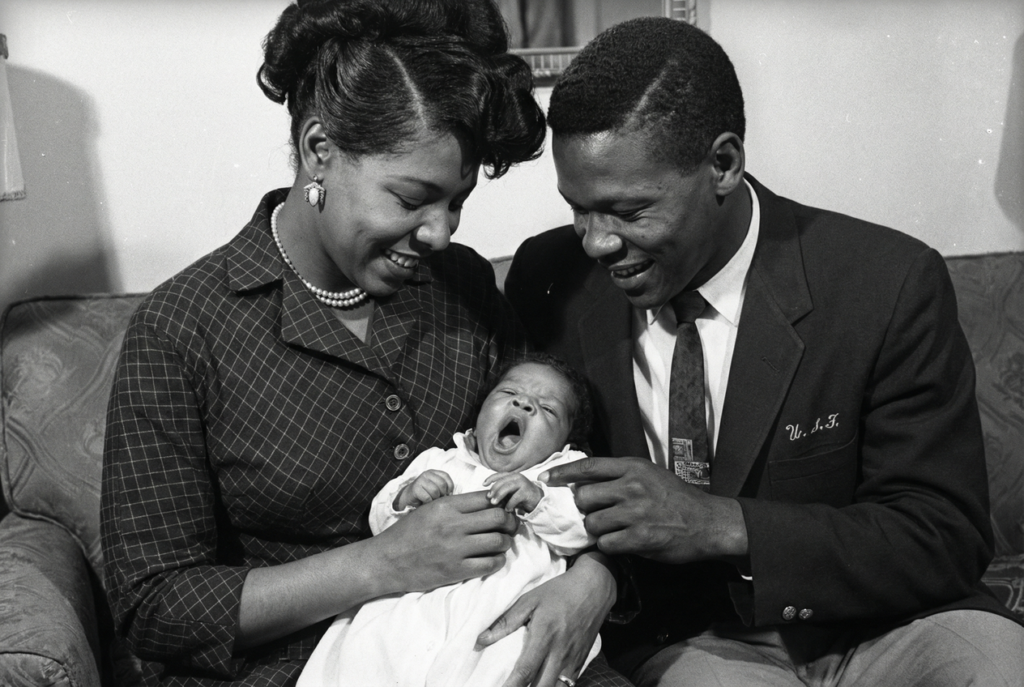
The life of rose swisher may not be chronicled in extensive autobiographies or documentary features, yet it remains an essential chapter in the history of American sports. As the first wife of Bill Russell, she stood beside him during the formative years of an NBA dynasty and the height of the civil rights movement. Her role as a partner, mother, and resilient individual contributed to a legacy that extends beyond championship banners.
Understanding her story deepens our perspective on sports history and highlights the often-unseen contributions that shape public greatness. In a world captivated by statistics and spectacle, her quiet strength serves as a reminder that influence is not always loud or visible.
Her legacy lives not in headlines but in the enduring narrative of perseverance, partnership, and dignity.
FAQs
Who was rose swisher?
rose swisher was the first wife of NBA legend Bill Russell. She married him in 1956 during his early professional career and remained with him throughout his championship years with the Boston Celtics. She was also the mother of his three children and lived largely outside the public spotlight.
When did rose swisher and Bill Russell get married?
They married in 1956, the same year Russell began his NBA career. Their marriage coincided with the rise of the Boston Celtics dynasty and lasted until their divorce in 1973.
How many children did rose swisher have?
She had three children with Bill Russell: two sons and one daughter. She played a central role in raising them during a period of intense public scrutiny and social change.
Why is rose swisher historically significant?
Her significance lies in her role during a transformative era in sports and civil rights history. As the spouse of one of basketball’s most influential figures, she experienced and supported events that shaped American culture.
What happened to rose swisher after her divorce?
After her divorce in 1973, rose swisher chose a private life away from media attention. Unlike many individuals connected to celebrities, she did not pursue public recognition, maintaining her dignity and personal boundaries.
Read More: Scott Galloway Wife: Inside the Private Life of the Public Professor


