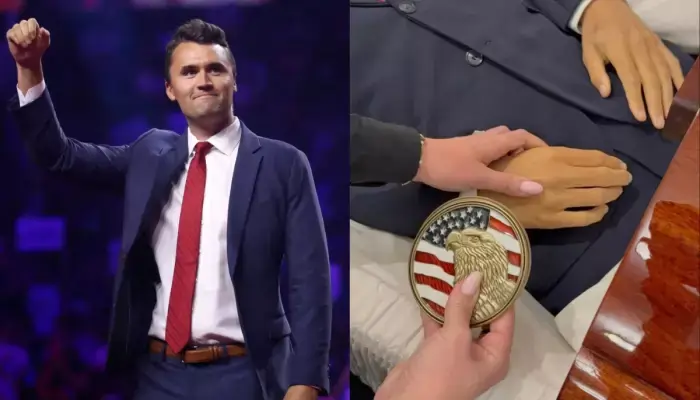

In recent months, search engines have seen a noticeable rise in queries related to charlie kirk funeral. This sudden interest has caused confusion, concern, and speculation among readers who want to understand what is happening and whether there is any truth behind the phrase. Because Charlie Kirk is a well-known public figure, even small rumors can spread quickly and create unnecessary panic.
This article is written to provide clarity, context, and verified information. Rather than promoting unverified claims, it explains why this keyword is trending, how misinformation spreads online, and what the actual facts are. The goal is to give readers a calm, factual, and well-structured explanation without sensationalism.
Throughout this guide, we will address the origin of the rumors, explain why people are searching for this topic, and discuss the broader issue of online hoaxes involving public figures. By the end, you will have a clear understanding of why the term charlie kirk funeral appears online and why it should be approached carefully and critically.
Understanding the Origin of the “Charlie Kirk Funeral” Searches
The phrase charlie kirk funeral did not emerge from an official announcement or credible news source. Instead, it appears to be part of a wider pattern where misleading or ambiguous phrases gain traction through search engines and social media platforms. In many cases, users encounter these phrases without context and assume the worst.
One of the main reasons such searches appear is algorithmic behavior. When people search for a name alongside emotional or serious terms, search engines may auto-suggest similar phrases based on trending activity. This does not mean the event actually happened. It simply reflects user curiosity or confusion fueled by speculation.
Another contributing factor is the rise of click-driven content. Some websites and social media posts intentionally use dramatic wording to attract attention. These posts may not directly claim that a funeral occurred, but the phrasing encourages readers to click, share, and speculate, which further amplifies the rumor.
It is important to emphasize that there has been no verified report, official statement, or credible confirmation related to a funeral for Charlie Kirk. Understanding how these searches originate helps readers avoid jumping to conclusions and spreading unverified information.
The Role of Social Media in Spreading Funeral Rumors
Social media platforms play a major role in how misinformation spreads, especially when it involves public figures. A single vague post or misleading headline can quickly go viral, leading thousands of users to search for terms like charlie kirk funeral without checking reliable sources first.
Platforms such as X, Facebook, and TikTok often reward emotionally charged content with higher visibility. When users react with shock or concern, algorithms interpret that engagement as interest and push the content to more people. As a result, even baseless rumors can appear widespread and credible.
Another issue is the lack of context in short-form posts. A message may reference a “funeral,” a “speech,” or a “memorial” metaphorically, but readers interpret it literally. Once misinterpreted, the phrase gets repeated, screenshotted, and reposted, losing its original meaning entirely.
This environment makes it essential for readers to pause before accepting claims at face value. Social media should never be the sole source of information when serious topics such as death or funerals are involved, especially when no mainstream outlets confirm the story.
Fact-Checking Public Figure Death Claims
When encountering a search term like charlie kirk funeral, the first step should always be fact-checking. Reputable news organizations, official social media accounts, and direct statements from the individual or their representatives are the most reliable sources of information.
As of now, there is no factual basis for claims suggesting a funeral has taken place. Charlie Kirk remains an active public figure, and there have been no announcements indicating otherwise. This highlights how quickly misinformation can spread when basic verification steps are skipped.
Fact-checking also involves understanding the difference between opinion blogs, satire, and legitimate journalism. Some websites intentionally blur these lines, making it difficult for readers to distinguish between factual reporting and speculative commentary.
Developing the habit of cross-checking multiple credible sources can significantly reduce the chances of being misled. It also helps prevent the unintentional sharing of false narratives that can harm individuals and confuse audiences.
Why Keywords Like This Gain SEO Attention
From an SEO perspective, keywords related to sensitive topics often gain traction because of their emotional weight. The phrase charlie kirk funeral attracts clicks because it implies urgency and seriousness, even when it is not grounded in reality.
Search engines track what people are typing, not whether the query is factually correct. When enough users search the same phrase, it becomes a visible trend. Content creators then notice the trend and may write about it, sometimes responsibly and sometimes not.
This creates a feedback loop. More content leads to more visibility, which leads to more searches. Over time, the keyword appears more legitimate simply because it is widely discussed, not because it is true.
Understanding this cycle helps readers approach trending keywords with caution. High search volume does not equal factual accuracy, especially when the topic involves personal or sensitive matters.
Responsible Reporting and Ethical Content Creation
Responsible content creation means prioritizing accuracy over traffic. Writing about topics like funerals or deaths requires extra care, particularly when the subject is a real person. Ethical reporting avoids speculation and clearly states what is known and what is not.
In cases where rumors are circulating, the most responsible approach is to address the confusion directly and provide verified information. This helps counter misinformation rather than contributing to it. Articles that explain the lack of evidence are far more valuable than those that imply unconfirmed events.
Ethical content also respects the audience. Readers deserve clarity, not clickbait. Clear language, transparent sourcing, and honest explanations build trust and reduce the spread of false claims.
By focusing on facts and context, content creators can turn misleading search trends into educational opportunities that promote media literacy and critical thinking.
The Importance of Media Literacy for Readers
Media literacy is more important than ever in the digital age. When readers encounter phrases like charlie kirk funeral, they should ask simple but powerful questions: Who is reporting this? What is the source? Is there official confirmation?
Being media-literate does not require advanced skills. It simply means slowing down and evaluating information before reacting or sharing. This habit can prevent unnecessary panic and protect individuals from reputational harm.
Educated readers also help improve the online environment. When fewer people engage with misleading content, algorithms gradually stop promoting it. This reduces the reach of false narratives and encourages more accurate reporting.
Ultimately, informed readers play a key role in shaping a healthier information ecosystem, where truth carries more weight than speculation.
Conclusion: Separating Facts From Online Noise
The increased visibility of the phrase charlie kirk funeral is a clear example of how online rumors and search trends can distort reality. While the keyword may suggest a serious event, there is no factual basis supporting such claims.
This article has explained how such rumors originate, why they spread, and how readers can protect themselves from misinformation. By relying on credible sources and practicing critical thinking, it becomes easier to separate facts from online noise.
Public figures are often the targets of false narratives, but responsible reporting and informed readership can limit their impact. Clarity, accuracy, and ethical content creation remain the best tools for navigating today’s digital landscape.
Frequently Asked Questions (FAQs)
1. Is there any truth to the “charlie kirk funeral” search trend?
No, there is no verified or official information confirming that such an event has occurred. The search trend appears to be based on online speculation rather than facts.
2. Why are people searching for this term online?
The phrase likely gained attention due to social media rumors, algorithmic suggestions, and click-driven content that encourages curiosity without providing verified information.
3. Has Charlie Kirk passed away?
No. There has been no credible report or official statement indicating that Charlie Kirk has passed away.
4. How can I verify similar claims in the future?
Always check reputable news outlets, official social media accounts, and multiple reliable sources before believing or sharing such information.
5. Are search trends always based on real events?
No. Search trends reflect user interest, not factual accuracy. Many trending searches are driven by curiosity, confusion, or misinformation.
6. Why do misleading keywords spread so fast?
Emotional language, social media algorithms, and human curiosity all contribute to the rapid spread of misleading or ambiguous keywords.
7. What should content creators do when addressing sensitive rumors?
They should focus on fact-checking, transparency, and responsible reporting rather than speculation or sensationalism


